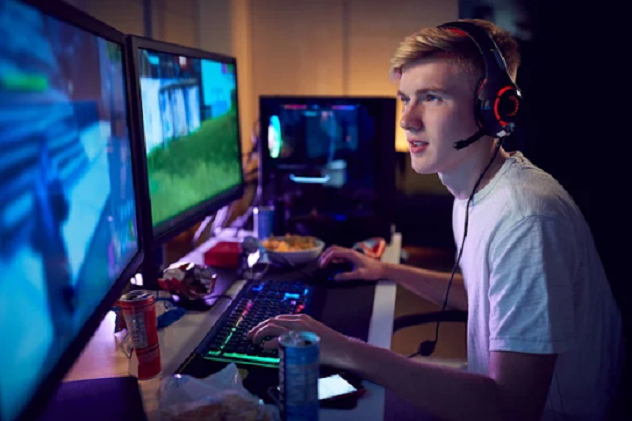
Online games offer more than rules and challenges. Their animated worlds now play a role in how players explore, interact, and enjoy each session. A character’s expression, a changing landscape, or a smooth transition can make a simple action feel lively. Animation also helps explain what is happening on screen, giving players useful feedback without interrupting the experience.
From puzzle adventures to multiplayer games and digital slots, thoughtful motion creates entertainment that is easier to understand and more satisfying to navigate. The key is not adding movement everywhere, but using it with purpose.
Animation Brings Virtual Worlds to Life
Characters With Personality
Animated characters give games emotional texture. A hero who smiles after solving a puzzle or stumbles after a mistake feels more expressive than a static figure. Small gestures, facial reactions, and distinctive walking styles help players recognize personalities quickly. These details support storytelling even when a game uses little dialogue.
Environments That Feel Alive
Moving clouds, swaying trees, rippling water, and changing light make digital settings feel less like flat backgrounds. Environmental animation can also guide attention. A glowing doorway might suggest where to explore next, while shifting shadows can establish a mysterious mood. When these effects support the setting, the world feels cohesive rather than crowded.
Motion Makes Gameplay Easier to Follow
Clear Feedback for Every Action
Good animation communicates cause and effect. When a tile slides into place, a health bar changes, or an object responds to a tap, players understand that their input registered. Visual feedback is especially valuable on mobile devices, where screen space is limited and instructions need to stay brief.
Animations can also distinguish routine actions from important events. A gentle bounce may confirm a selection, while a larger transition marks the completion of a level. Consistency matters: players should learn what each movement means instead of guessing.
Readable Menus and Transitions
Animated interfaces can simplify navigation when they reveal information in a logical sequence. Panels that expand smoothly show where new options came from. Brief loading transitions prevent abrupt jumps between screens. However, movement should remain fast enough that players never feel trapped watching an effect they have already seen.
Creative Effects Build Excitement and Atmosphere
Timing, Color, and Sound
The impact of animation often comes from timing. A quick burst of particles can make a successful puzzle move feel rewarding, while a slow camera pan creates anticipation before a new area appears. Color and sound strengthen these effects, helping designers establish a tone that fits the game’s theme.
In Thai-language gaming discussions, สล็อตเว็บตรง may appear alongside conversations about digital slot interfaces and animated reels. In these games, motion can make symbols easier to track and clarify when a round has ended. Yet dramatic effects are presentation choices, not signs that a particular result is more likely.
Different Genres, Different Styles
A racing game benefits from convincing speed and responsive vehicle movement. A cozy farming game may use gentle animations to create a relaxed pace. Competitive multiplayer titles need readable effects so players can react quickly without losing track of the action. The best style depends on the experience the developer wants to create.
Animation Helps Players Stay Engaged
Progress That Feels Visible
Level maps that unfold, achievements that appear with a flourish, and characters that change as a story progresses make development visible. These moments can create a sense of accomplishment because they connect actions to meaningful changes in the game world.
The term สล็อต is also common in Thai searches for slot games, where reels, symbols, and bonus sequences use animation to communicate progress. Clear visual cues can improve usability, but players should remember that visual excitement does not alter random outcomes or guarantee rewards.
Shared Moments in Multiplayer Games
Animation also supports social interaction. Character emotes, synchronized celebrations, and playful gestures let teammates communicate without typing lengthy messages. These visual signals can make cooperative play feel friendly and energetic, especially when participants speak different languages.
What Separates Great Animation From Distraction?
More movement is not automatically better. Repeated flashes, excessive particles, and long transitions can slow gameplay or hide important information. Effective design balances spectacle with clarity, giving players the ability to focus on decisions and objectives.
Accessibility deserves equal attention. Reduced-motion settings can help people who experience discomfort from rapid movement. High contrast, adjustable effects, and efficient performance make animated games more comfortable across different screens and devices. Designers should also avoid effects that create misleading expectations about rewards or progress.
Conclusion
Animation makes online games more enjoyable when it adds character, explains actions, and strengthens the atmosphere. Expressive worlds and responsive interfaces can turn ordinary interactions into memorable moments, but the best effects never overpower gameplay. Whether someone prefers puzzles, adventures, multiplayer matches, or casual games, thoughtful animation creates excitement through clarity, creativity, and a stronger connection to the world on screen.


